Does llms.txt Matter in 2026? A Practical Guide for Business Owners
A practical guide to does llms.txt matter in 2026? a practical guide for business owners. Learn what to check, common mistakes, and how to fix them in plain English.
Your website is open 24/7. It never takes a day off, never calls in sick, and it's often the very first interaction a potential customer has with your business. But here's the uncomfortable truth: does llms.txt matter in 2026? a practical guide for business owners can make or break that first impression.
Why Does llms.txt Matter in 2026? A Practical Guide for Business Owners Matters
Most small business owners don't realize how much impact this has on their bottom line. Search engines and AI systems are fundamentally changing how they discover, evaluate, and present information to users. Understanding these systems isn't optional anymore—it's essential for visibility and growth.
Recent data shows that websites optimized for modern search behaviors see significantly higher engagement rates, better conversion metrics, and stronger organic growth. The businesses that adapt to these changes early gain a lasting competitive advantage over those that wait.

Common Mistakes
After auditing thousands of small business websites, we see the same issues repeatedly:
Mistake #1: Ignoring Structured Content
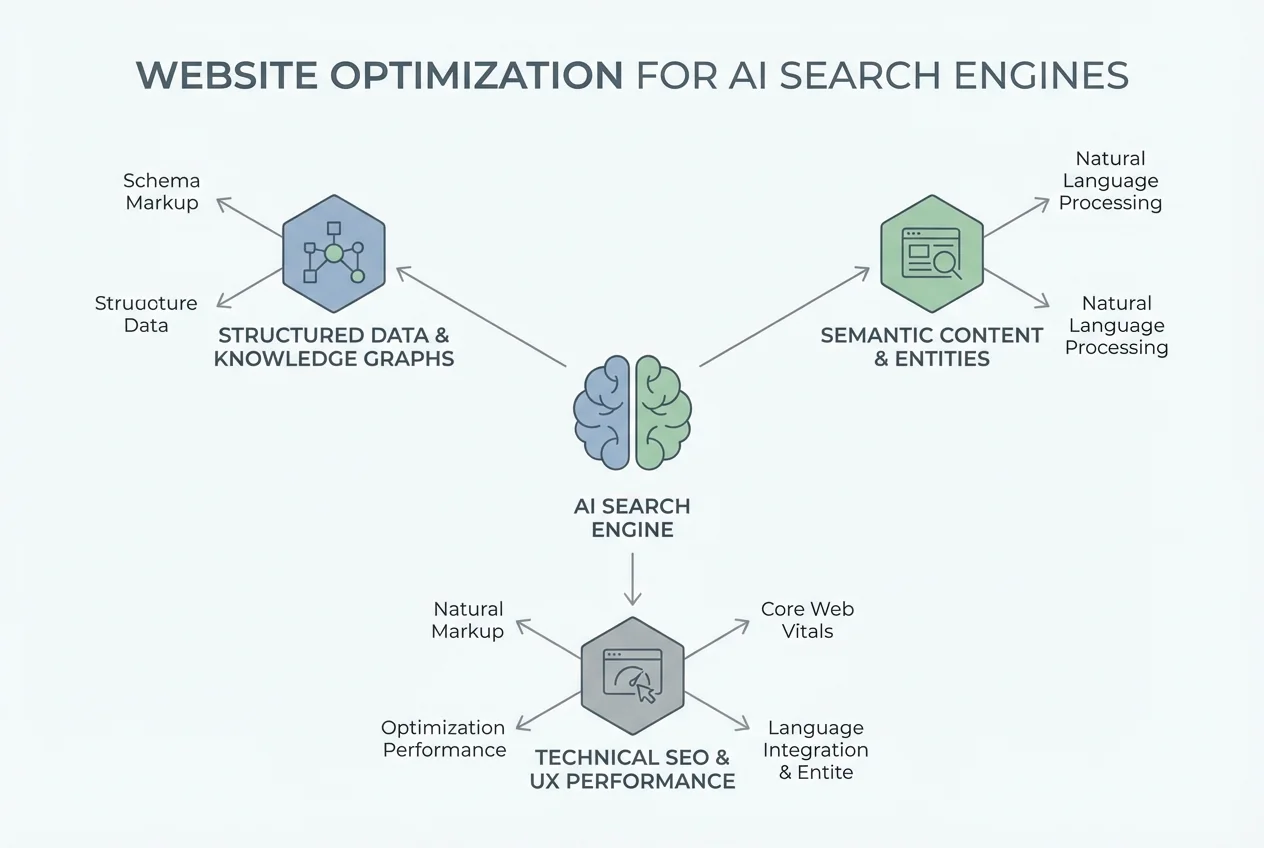
Many sites bury important information in paragraphs of text. Search engines and AI systems work best with clearly structured, semantically marked content. This means using proper headings, lists, and schema markup to signal what information is most important.
Mistake #2: Vague or Missing Contact Information
When AI systems try to answer questions about local businesses, they look for clear signals about who you are, where you are, and how to reach you. Sites that hide this information or present it inconsistently get passed over.
Mistake #3: No Clear Service or Product Descriptions
Generic phrases like "quality service" or "expert solutions" mean nothing to algorithms. They need concrete, specific information: what exactly do you offer, who is it for, where do you serve, and what makes you different?
How to Fix It
Here's a systematic approach to improving your website's visibility and effectiveness:
Week 1: Audit Your Current State
Start by understanding where you stand. Review your homepage, service pages, and contact information through the lens of someone (or something) trying to quickly understand your business.
- Check if your homepage clearly states what you do in the first paragraph
- Verify your NAP (Name, Address, Phone) is identical everywhere it appears
- Review your service pages for specific, concrete descriptions
- Ensure your contact page has complete information including business hours
Week 2: Structure Your Content
Restructure key pages to make information easy to extract:
- Use H2 and H3 headers to break up content into clear sections
- Convert paragraph-buried information into bulleted lists
- Add FAQ sections in question-and-answer format
- Include specific examples and case studies rather than vague claims
Week 3: Add Technical Signals
Implement schema markup and metadata that helps systems understand your content:
- Add LocalBusiness schema with complete NAP, hours, and service area
- Implement breadcrumb navigation and markup
- Create or update your meta descriptions with clear, actionable summaries
- Ensure every page has a unique, descriptive title tag
Week 4: Test and Verify
Confirm your changes are working:
- Search for your business name and services to see how results appear
- Use structured data testing tools to verify markup is valid
- Check that contact information is consistent across your site and directories
- Monitor analytics for changes in traffic patterns and engagement
Measuring Success
Track these metrics to see if your changes are working:
- Search visibility: Are you appearing for more relevant searches?
- Click-through rates: Are more people clicking through to your site from search results?
- Time on page: Are visitors staying longer and engaging more?
- Conversion rates: Are more visitors taking desired actions?
Most businesses see measurable improvements within 30-60 days of implementing these changes. The key is consistency and ongoing optimization.
What To Do Next
The first step is understanding exactly what needs to be fixed on your website. You can't improve what you can't measure.
Sources
This article references guidance and best practices from authoritative sources including:
- Anthropic - Claude AI Documentation
- OpenAI - ChatGPT and GPT-4 Technical Reports
- Google AI - AI Overviews and Search Grounding
- Schema.org - Structured Data Standards
Last updated: April 3, 2026
Get your free website audit →. It takes under 60 seconds and gives you an instant score plus your top 3 critical issues. No account or credit card needed—just enter your URL and see where you stand.
Your website should be your hardest-working employee. Let's make sure it's doing its job.
Check your website for free
Get an instant score and your top 3 critical issues in under 60 seconds.
Get Your Free Audit →