Why Author Pages and Bylines Matter for SEO and AI Trust
A practical guide to why author pages and bylines matter for seo and ai trust. Learn what to check, common mistakes, and how to fix them in plain English.
`json
{
"title": "Why Author Pages and Bylines Matter for SEO and AI Trust",
"description": "Learn how author pages boost your site's credibility with Google and AI. Get practical steps to implement bylines correctly. Free audit included.",
"content": "# Why Author Pages and Bylines Matter for SEO and AI Trust
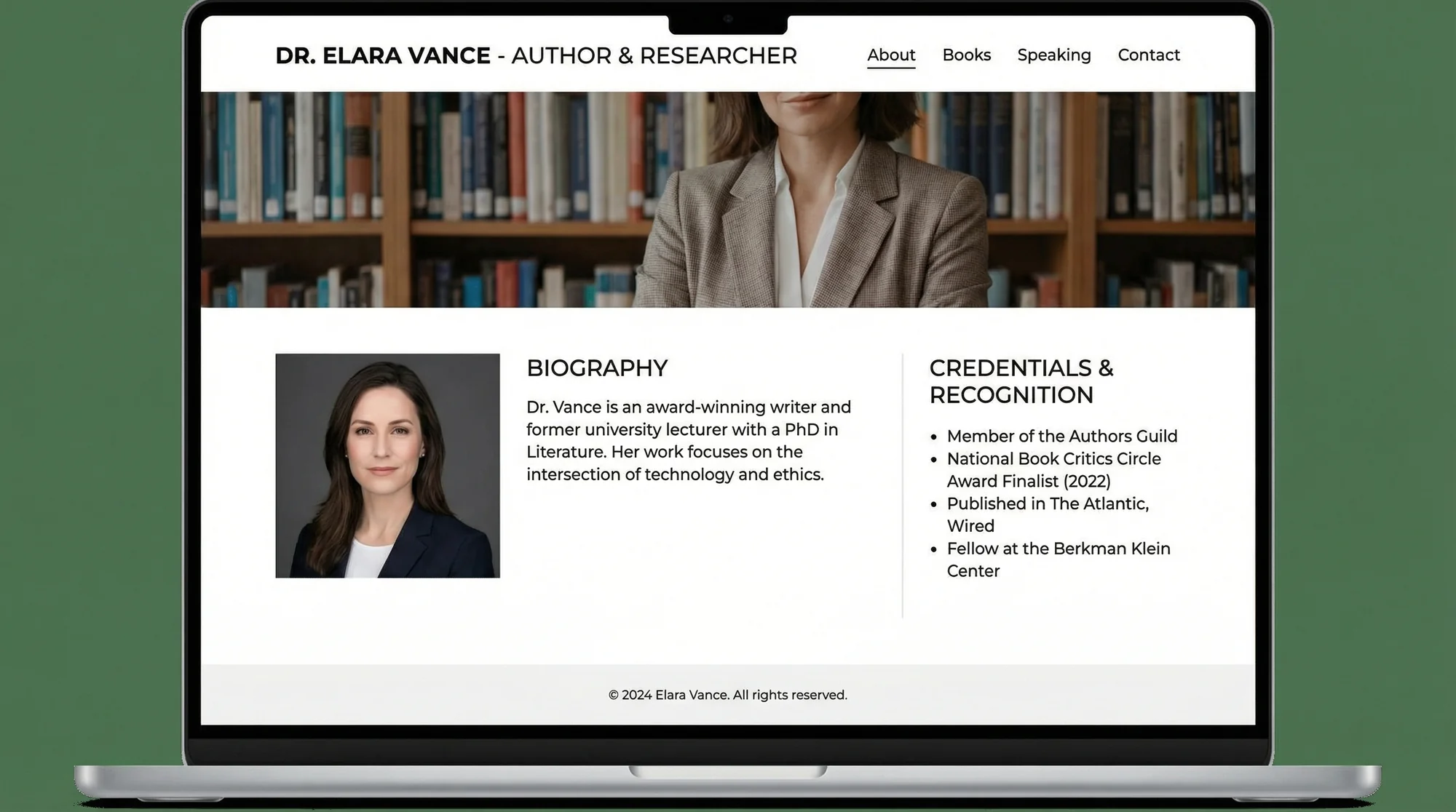
You've probably noticed more websites showing author names and photos next to their articles lately. This isn't just a design trend—it's becoming essential for how search engines and AI systems evaluate your content's trustworthiness.
If you run a dental practice, plumbing business, or contracting company and publish helpful content on your website, adding proper author information could be the difference between ranking on page one or getting buried in search results.
Google's helpful content updates and the rise of AI-powered search have made one thing clear: who writes your content matters as much as what they write.
How Author Information Impacts Your Search Rankings
The E-E-A-T Connection
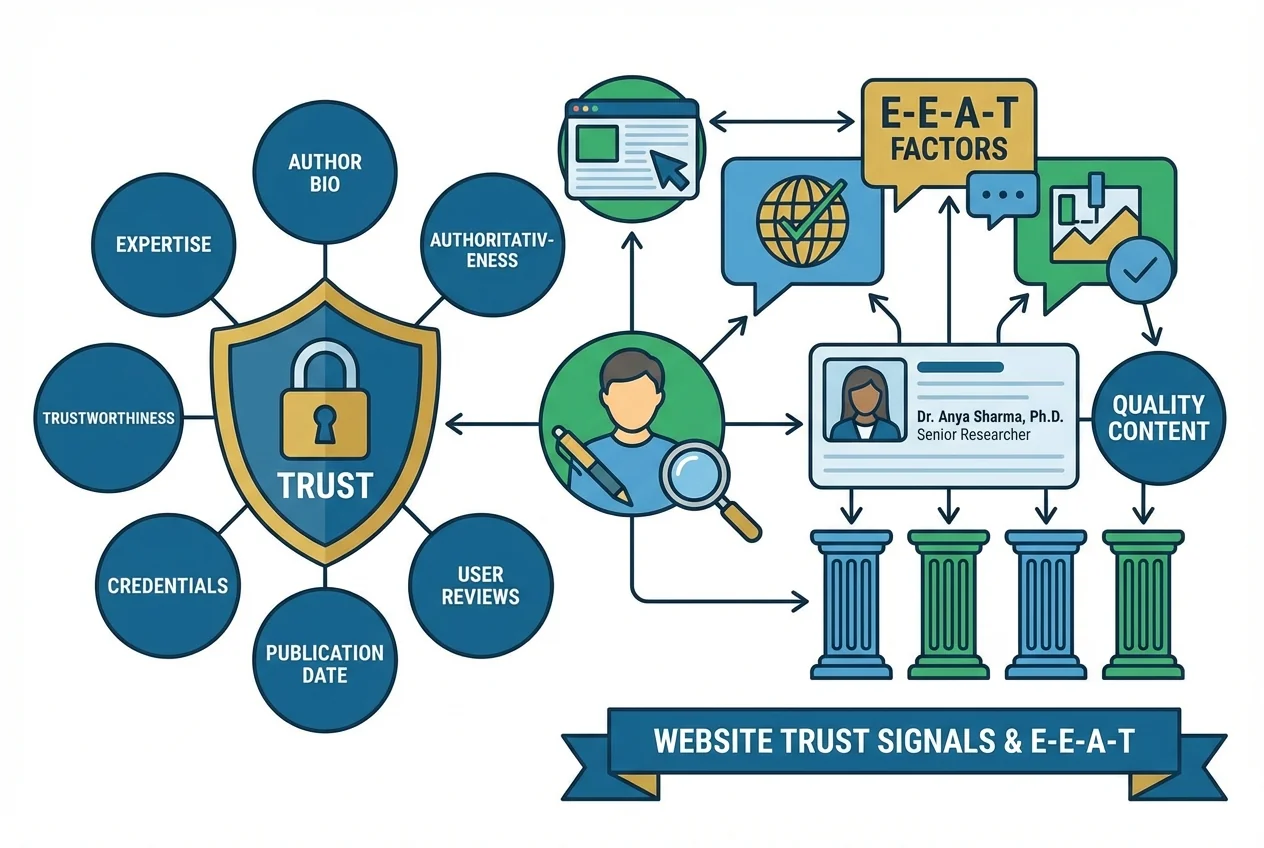
Google uses a framework called E-E-A-T (Experience, Expertise, Authoritativeness, and Trustworthiness) to evaluate content quality. When you add clear author information to your pages, you're directly addressing the "Experience" and "Expertise" components.
Think about it from a customer's perspective. Would you trust dental advice from an anonymous blog post, or would you prefer knowing it came from Dr. Smith with 20 years of experience? Google thinks the same way.
What Search Engines Actually Look For
According to Google's Search Quality Evaluator Guidelines, reviewers specifically check for:
- Clear identification of content creators
- Biographical information about authors
- Links to author credentials or social profiles
- Consistent author information across the website
Here's a real example: A Phoenix-based HVAC contractor saw a 35% increase in organic traffic after adding detailed technician profiles and bylines to their maintenance guides. Each article now shows which certified technician wrote it, complete with their certifications and years of experience.
The AI Trust Factor
As AI systems like ChatGPT and Google's AI Overview pull information from websites, they prioritize sources with clear authorship. Sites with proper author attribution are more likely to be cited as reliable sources, which creates a feedback loop—more citations lead to higher authority signals, which improve rankings.
Setting Up Author Pages That Actually Work
Creating Your Author Page Structure
Your author pages don't need to be fancy, but they must include specific elements:
Essential Components:
- Full name of the author
- Professional headshot (doesn't need to be studio quality)
- Job title and role at your company
- Brief professional bio (2-3 paragraphs)
- Relevant credentials or certifications
- Contact information or social media links
- List of articles they've written
Step-by-Step Implementation:
- Create a dedicated URL structure: Use a consistent format like
/about/team/john-smith/or/author/john-smith/
- Write authentic bios: Skip the corporate speak. A plumber's bio might read: "Mike has been fixing pipes in Denver for 15 years. He specializes in emergency repairs and holds master plumber certification from the state of Colorado."
- Add structured data: Implement Person schema markup on author pages. This helps search engines understand the information better.
- Link consistently: Every piece of content should link to its author's page using the same anchor text (typically their name).
Implementing Bylines on Content Pages
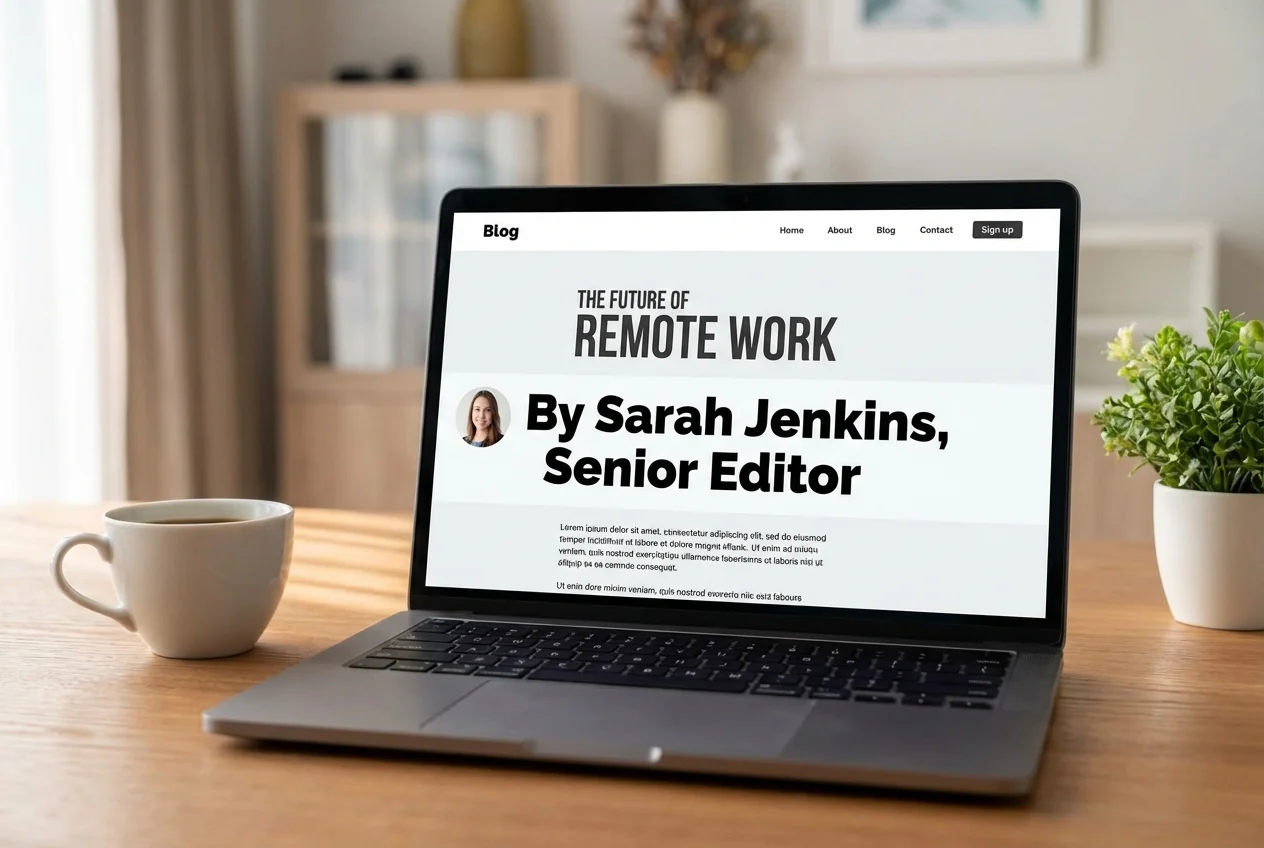
Bylines should appear prominently on every piece of content you publish. Here's how to do it right:
Placement Best Practices:
- Position bylines immediately below the headline or at the beginning of the article
- Include publication date alongside author information
- Add a small author photo if possible (even a 50x50 pixel image helps)
Technical Implementation:
For WordPress users, most themes support author bylines by default. For custom sites, add this HTML structure:
`html

`
Building Author Authority Over Time
Authority isn't built overnight. Here's a practical timeline:
Month 1-2: Set up basic author pages and add bylines to all new content
Month 3-4: Retrofit bylines to your top 20 performing pages
Month 5-6: Encourage authors to engage on professional platforms (LinkedIn for B2B, relevant forums for trades)
Month 7+: Monitor improvements in search visibility and adjust author bios based on performance
A roofing company in Atlanta followed this timeline and saw their "how to spot roof damage" guide jump from position 15 to position 4 after adding their lead inspector's credentials and byline.
Common Author Page Mistakes That Hurt Rankings
Using Generic or Fake Authors
The biggest mistake? Creating fake author personas or using generic names like "Admin" or "Staff Writer." Google's systems are sophisticated enough to detect patterns that suggest fake authorship.
One e-commerce site lost 60% of their organic traffic after being caught using AI-generated author photos and fake bios. The recovery took eight months after switching to real team members.
Inconsistent Author Information
If John Smith is "Johnny Smith" on one page and "J. Smith" on another, search engines can't properly attribute expertise. Pick one format and stick with it across:
- Bylines
- Author pages
- Social media profiles
- Google Business Profile
Missing Schema Markup
Without proper structured data, you're making search engines guess about your author information. Implement Person or Organization schema on every author page.
Hiding Author Information
Some sites bury author info in footers or "About Us" pages. This defeats the purpose. Author information should be immediately visible to both users and search engines.
Not Updating Author Credentials
If your electrician just got master certification, update their bio immediately. Fresh credentials signal ongoing expertise to search algorithms.
How to Test Your Author Implementation
Quick Verification Checklist
Visual Check:
- [ ] Author name visible without scrolling on content pages
- [ ] Author page accessible within 2 clicks from any content
- [ ] Professional photo displays properly on all devices
- [ ] Bio includes specific expertise and credentials
Technical Validation:
- Test structured data: Use Google's Rich Results Test tool to verify your Person schema
- Check internal linking: Ensure all bylines link to the correct author page
- Verify mobile display: Author information should be readable on phones without zooming
- Review page speed: Author images shouldn't slow down page load times
Monitoring Performance
Track these metrics monthly:
- Organic traffic to author pages
- Click-through rates on articles with vs. without prominent bylines
- Number of author pages indexed in Google Search Console
- Brand searches including author names
A landscaping company in Ohio discovered their lead designer's articles got 3x more engagement when they added his certifications and project photos to his author page.
Using Tools to Audit Author Implementation
Manual checking works for small sites, but as you grow, you need automated monitoring. Look for:
- Broken links to author pages
- Missing schema markup
- Duplicate author profiles
- Inconsistent author data across pages
Making Author Pages Work for Your Business
Author pages aren't just for big publications anymore. Every business that publishes helpful content needs to show who's behind it. Whether you're a dentist writing about oral health or a plumber explaining pipe maintenance, your expertise deserves proper attribution.
Start simple: pick your three most popular pages and add proper bylines this week. Create basic author pages for anyone who writes content. Add schema markup if you're comfortable with code, or ask your web developer to handle it.
The investment is minimal—a few hours of setup and ongoing maintenance—but the impact on your search visibility and customer trust can be substantial.
Ready to see how your current author implementation stacks up? Get a free website audit from FreeSiteAudit to identify missing author information, broken schema markup, and other trust signals that could be holding your rankings back. Our automated tool checks every page and gives you a prioritized list of fixes you can implement today.",
"internalLinks": ["free-website-audit", "schema-markup-generator", "local-seo-tools"],
"externalCitations": [
"https://developers.google.com/search/docs/appearance/structured-data/article",
"https://schema.org/Person",
"https://developers.google.com/search/docs/fundamentals/creating-helpful-content"
]
}
`
Sources
This article references guidance and best practices from authoritative sources including:
- Google Search Central - Developer Documentation
- Web.dev - Core Web Vitals
- Schema.org - Structured Data Markup
Last updated: April 3, 2026
Sources
This article references guidance and best practices from authoritative sources including:
- Google Search Central - E-E-A-T (Experience, Expertise, Authoritativeness, Trust)
- Schema.org - Person and Author Markup
- Google AI - AI-Generated Content Guidance
- Moz - Author Authority and SEO
Last updated: April 3, 2026
Related Tools
Check your website for free
Get an instant score and your top 3 critical issues in under 60 seconds.
Get Your Free Audit →