Website Audit Checklist 2026: The Complete Guide for Small Business Owners
The only website audit checklist you need for 2026. 50+ actionable checkpoints across performance, SEO, mobile, security, and conversions.
Running a website audit sounds technical, complicated, and time-consuming. And if you're doing it wrong, it absolutely is.
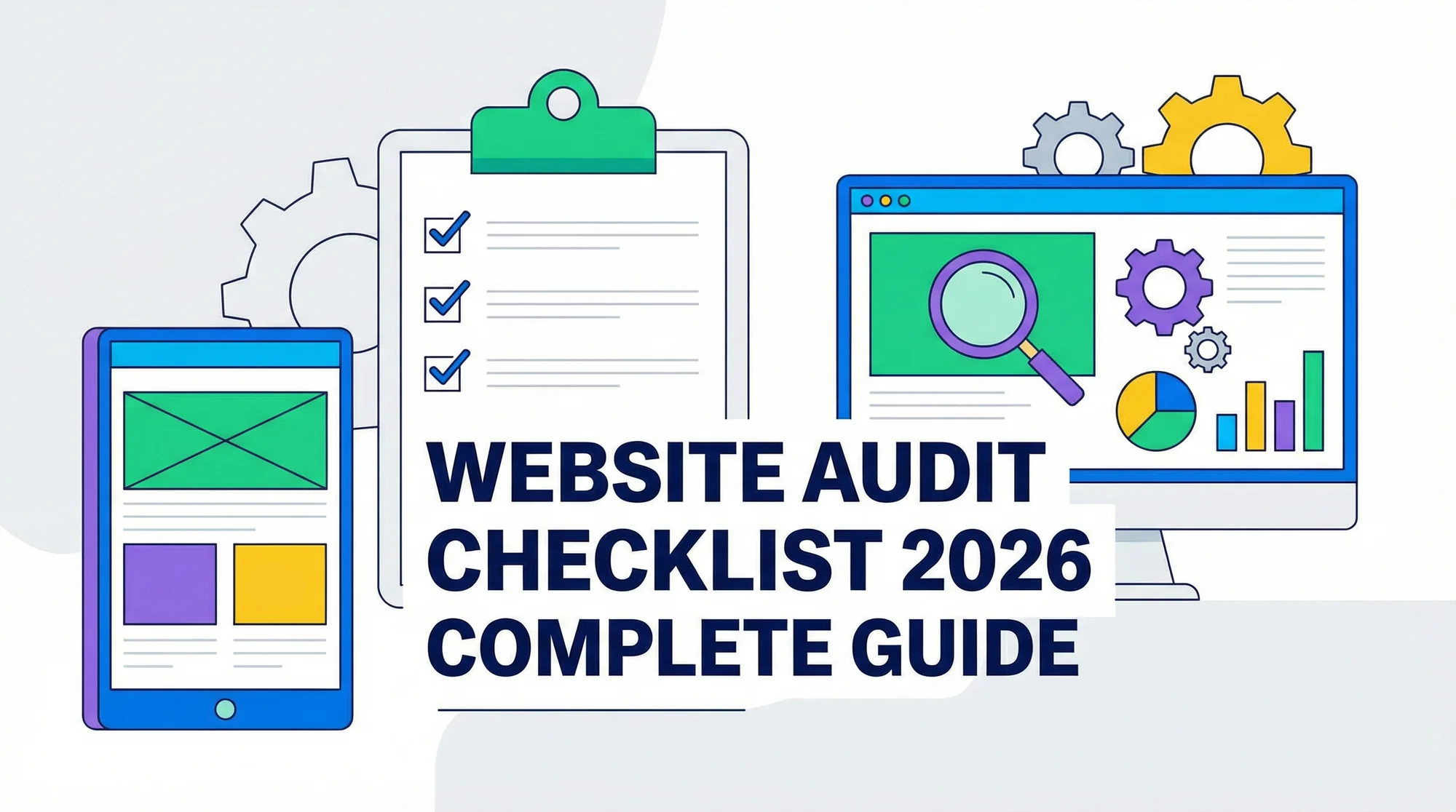
But here's the truth: you don't need to be a web developer or SEO expert to audit your own website. You just need a systematic checklist and the discipline to work through it.
This is that checklist.
We've audited thousands of small business websites and distilled everything into a single, actionable guide. Follow this step-by-step and you'll catch 95% of the issues silently costing you customers, traffic, and revenue.
Print this. Bookmark it. Share it with your team. Then actually use it.
How to Use This Checklist

We've broken the audit into 9 major categories. Each category has a mix of critical (🔴), important (🟡), and nice-to-have (🟢) items.
Strategy:
- Start with all the 🔴 critical items across every category
- Then tackle 🟡 important items
- Finally, work through 🟢 nice-to-haves as time permits
Every item includes why it matters and how to check/fix it. No jargon, no fluff. Just what you need to know.
Estimated time to complete the full audit: 2-4 hours spread over a week. The ROI? Potentially thousands of dollars in monthly revenue.
Let's dive in.
1. Performance & Speed
Why it matters: 53% of mobile users abandon a site that takes longer than 3 seconds to load. Every second of delay reduces conversions by about 7%. Speed isn't just a nice-to-have. It's the foundation everything else is built on.
✅ Checklist
🔴 Page load time under 3 seconds on mobile
- Test at: Google PageSpeed Insights or our free Speed Snapshot tool
- Target: Load time <3s on mobile, ideally <2s
- Fix: Compress images, enable caching, upgrade hosting
🔴 First Contentful Paint (FCP) under 1.8 seconds
- What it is: Time until user sees something on screen
- Test at: PageSpeed Insights (same tool as above)
- Fix: Defer non-critical JavaScript, optimize above-fold content
🔴 Largest Contentful Paint (LCP) under 2.5 seconds
- What it is: Time until main content is visible
- Test at: PageSpeed Insights
- Fix: Optimize largest image/element, use lazy loading
🟡 Cumulative Layout Shift (CLS) under 0.1
- What it is: Does content jump around while loading?
- Test at: PageSpeed Insights
- Fix: Set explicit width/height on images, reserve space for ads
🟡 Images optimized (WebP or compressed)
- Check: Right-click any image → Properties → see file size
- Target: Most images under 200KB
- Fix: Use TinyPNG or convert to WebP format
🟡 Browser caching enabled
- Test at: GTmetrix.com (free account)
- Fix: Add caching headers (ask your hosting provider or use a plugin)
🟢 CSS and JavaScript minified
- What it is: Remove unnecessary characters from code
- Test at: PageSpeed Insights (will flag if needed)
- Fix: Use a minification plugin or build tool
🟢 Content Delivery Network (CDN) in use
- What it is: Serve content from servers closer to users
- Popular options: Cloudflare (free plan available)
- Fix: Point your DNS to Cloudflare, enable CDN
2. Mobile Responsiveness
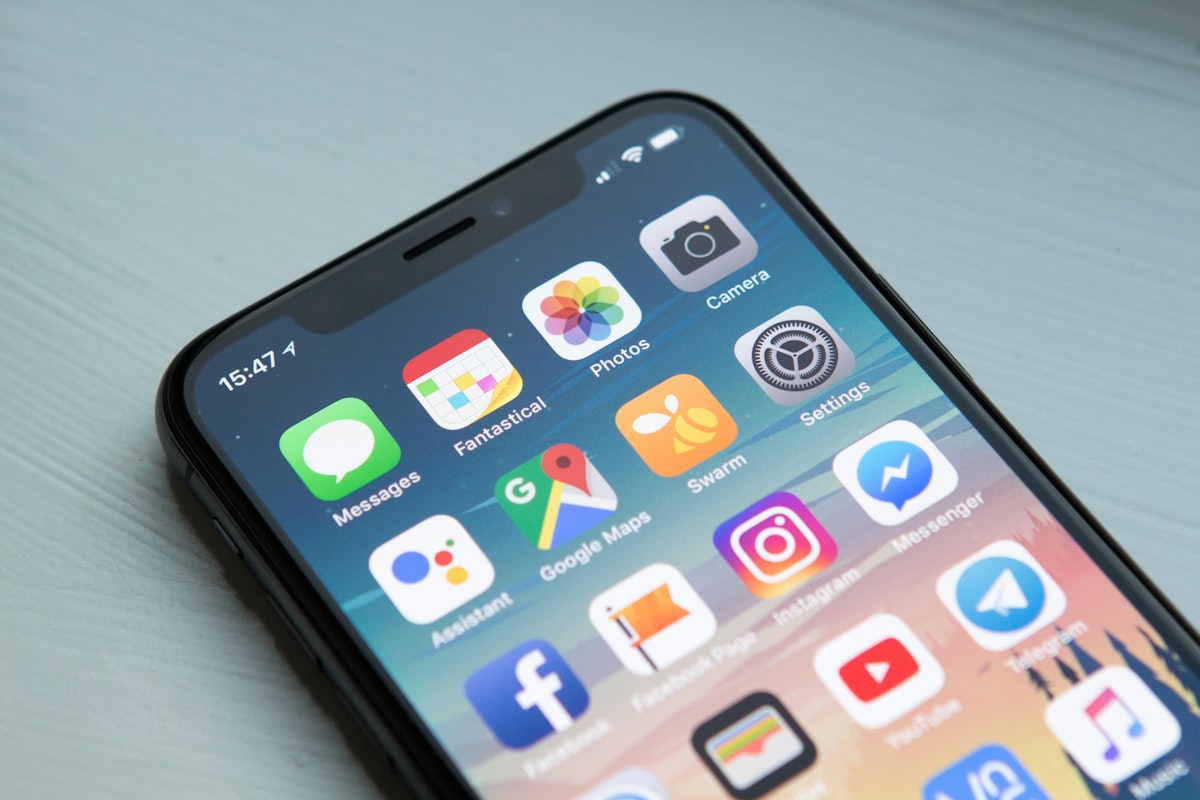
Why it matters: Over 60% of web traffic comes from mobile devices. If your site doesn't work on phones, you're ignoring the majority of your potential customers.
✅ Checklist
🔴 Site is mobile-responsive (adapts to screen size)
- Test: Open your site on your phone, try different pages
- Alternative: Use Google's Mobile-Friendly Test
- Fix: Use a responsive theme or redesign
🔴 Text is readable without zooming
- Test: Open any page on phone, can you read without pinching?
- Target: Minimum 16px font size
- Fix: Adjust CSS font-size property
🔴 Buttons and links are tappable (44x44px minimum)
- Test: Try tapping all buttons on mobile
- Problem: If you miss or hit the wrong button, it's too small
- Fix: Increase button padding and size in CSS
🟡 No horizontal scrolling
- Test: Scroll through every page on mobile
- Problem: Content wider than screen, requires left-right scrolling
- Fix: Use max-width: 100% on images and containers
🟡 Forms are usable on mobile
- Test: Try filling out contact form on phone
- Check: Input fields large enough, keyboard doesn't cover submit button
- Fix: Use proper input types (type="tel", "email"), increase field size
🟡 Phone number is click-to-call
- Test: Use our Click-to-Call Checker to verify
- Expected: Phone dialer opens automatically
- Fix: Use
555-123-4567
🟢 Touch targets well-spaced (8px minimum)
- What it is: Enough space between tappable elements
- Problem: User taps wrong link by accident
- Fix: Add padding/margin around links and buttons
🟢 Mobile menu works smoothly
- Test: Open hamburger menu, try all links
- Check: Menu opens, closes, links work, no visual glitches
- Fix: Test on multiple devices, simplify if needed
3. SEO Fundamentals
Why it matters: 75% of users never scroll past the first page of search results. If you're not ranking, you're invisible. SEO brings free, qualified traffic to your site 24/7.
✅ Checklist
🔴 Every page has a unique title tag
- Check: Use our Meta Title Checker to scan instantly
- Format: [Keyword] in [Location] | [Business Name]
- Fix: Add/edit title tags in your CMS or HTML
🔴 Title tags are 50-60 characters
- Check: Our Meta Title Checker flags too-short and too-long titles
- Why: Longer titles get cut off in search results
- Fix: Rewrite to be concise but descriptive
🔴 Site has SSL certificate (https://)
- Check: Does URL start with https?
- Test: Look for lock icon in browser bar
- Fix: Get free SSL from Let's Encrypt or your hosting provider
🟡 Every page has a unique meta description
- Check: Run our Meta Description Checker for instant results
- Length: 150-160 characters
- Fix: Write compelling descriptions with CTA
🟡 H1 tag on every page (and only one)
- Check: View source, search for
- Should be: Page title, includes target keyword
- Fix: Wrap your main heading in
tags
🟡 All images have descriptive alt text
- Check: Right-click image → Inspect → look for alt="..."
- Fix: Add alt text describing what's in the image + context
🟡 XML sitemap exists and is submitted to Google
- Check: Use our Sitemap Checker to verify yours exists and is valid
- Submit: Google Search Console → Sitemaps
- Fix: Generate with plugin (Yoast for WordPress) or manually
🟡 Robots.txt file exists
- Check: Visit yourdomain.com/robots.txt
- Should allow: Googlebot to crawl your site
- Fix: Create robots.txt with "User-agent: * / Allow: /"
🟢 Internal linking structure (pages link to each other)
- Check: Click around your site, can you reach every page?
- Goal: No "orphan" pages (pages with no links to them)
- Fix: Add contextual links between related pages
🟢 Structured data (Schema markup) implemented
- Check: Use our Schema Checker or Google's Rich Results Test
- For local businesses: LocalBusiness schema
- Fix: Use schema generator or plugin
🟢 Canonical tags prevent duplicate content
- Check: View source, look for
- Why: Tells Google which version of a page is the "main" one
- Fix: Add canonical tags to all pages
4. Content Quality
Why it matters: Content is how you communicate value. Thin, vague, or outdated content tells visitors (and Google) that you don't care. Quality content builds trust and converts.
✅ Checklist
🔴 Every page has a clear purpose and CTA
- Check: Read each page, what action should the user take?
- Examples: Call Now, Book Online, Request Quote, Learn More
- Fix: Add prominent CTAs on every page
🔴 Contact information is easy to find
- Test: Can you find phone/email within 5 seconds on any page?
- Best practice: Header and footer on every page
- Fix: Add to site-wide header/footer
🟡 Content is unique (not copied from competitors)
- Check: Copy a sentence, paste into Google in quotes
- If it appears elsewhere: It's duplicate content
- Fix: Rewrite in your own words
🟡 No "thin" content (pages with <300 words)
- Check: Word count of each page
- Target: 300+ for basic pages, 600+ for service pages, 1000+ for blog posts
- Fix: Expand with details, benefits, FAQs
🟡 Content is up-to-date (no old dates, outdated info)
- Check: Read through pages, look for 2020-2023 references
- Problem: "We're hiring for 2023!" in 2026 looks abandoned
- Fix: Update dates, stats, examples
🟡 Business hours and location are accurate
- Check: Do hours match your actual hours?
- Check: Is address identical to Google Business Profile?
- Fix: Update to match reality
🟢 Testimonials and reviews are visible
- Check: Are customer quotes/reviews on homepage or service pages?
- Goal: Show social proof prominently
- Fix: Add testimonial section to homepage
🟢 About page tells your story
- Check: Does About page exist? Is it just generic fluff?
- Should include: Who you are, experience, why customers should trust you
- Fix: Rewrite with specifics and personality
🟢 Privacy policy and terms of service exist
- Check: Links in footer?
- Why: Builds trust, required for Google Ads and many payment processors
- Fix: Use a generator (termsfeed.com) or hire a lawyer
5. User Experience (UX)
Why it matters: 88% of online consumers are less likely to return to a site after a bad experience. You can have great content and perfect SEO, but if the site is frustrating to use, visitors leave.
✅ Checklist
🔴 Navigation is clear and intuitive
- Test: Can a first-time visitor find your services in under 10 seconds?
- Menu: Keep to 5-7 main items, use clear labels
- Fix: Simplify navigation, remove jargon
🔴 No broken links (404 errors)
- Check: Use Broken Link Checker (free tool)
- Problem: Clicking a link that goes nowhere
- Fix: Update or remove broken links
🔴 Forms work correctly
- Test: Fill out and submit every form on your site
- Check: Do you receive the submission?
- Fix: Test email delivery, check spam folder, fix form settings
🟡 Search bar (if applicable) returns relevant results
- Test: Search for a service you offer
- Expected: Relevant pages appear
- Fix: Improve search functionality or remove if not needed
🟡 404 error page is helpful (not generic)
- Test: Visit yourdomain.com/random-fake-page
- Should include: Link back to homepage, search bar, or site navigation
- Fix: Create custom 404 page
🟡 Pop-ups don't cover content immediately
- Test: Visit site, do pop-ups block content instantly?
- Problem: Google penalizes "intrusive interstitials"
- Fix: Delay pop-ups or make them easy to dismiss
🟢 Footer includes important links
- Check: Does footer have contact info, service links, legal pages?
- Fix: Add comprehensive footer to every page
🟢 Site has consistent branding (colors, fonts)
- Test: Click through pages, does design feel cohesive?
- Fix: Use a consistent color palette and 2-3 fonts max
6. Local SEO (For Local Businesses)
Why it matters: 46% of all Google searches are looking for local information. If you serve customers in a specific area, local SEO is non-negotiable.
✅ Checklist
🔴 Google Business Profile claimed and verified
- Check: Search your business name + city
- You should see: Your listing with hours, photos, reviews
- Fix: Claim at business.google.com
🔴 NAP (Name, Address, Phone) is consistent everywhere
- Check: Compare NAP on website, Google, Yelp, Facebook
- Problem: "123 Main St" vs "123 Main Street" confuses Google
- Fix: Use identical formatting everywhere
🔴 Service area or location in title tags
- Check: Do title tags include city/region?
- Example: "Plumber in Austin, TX" not just "Plumber"
- Fix: Add location to title tags
🟡 Google Business Profile is 100% complete
- Check: All fields filled (hours, services, description, photos)
- Goal: 10+ photos, full business description, categories selected
- Fix: Log into GBP and complete every section
🟡 Actively collecting Google reviews
- Check: How many reviews do you have? When was the last one?
- Goal: Minimum 2-3 new reviews per month
- Fix: Send review request link after every job
🟡 Listed in relevant directories
- Check: Are you on Yelp, Bing Places, Apple Maps?
- Industry-specific: Avvo (lawyers), Healthgrades (doctors), etc.
- Fix: Claim and optimize each listing
🟢 Location pages for each service area
- Check: Do you have dedicated pages for each city you serve?
- Example: "Plumbing in Austin" + "Plumbing in Round Rock"
- Fix: Create location pages with unique content
🟢 Embedded Google Map on contact page
- Check: Contact page has a map showing your location?
- Fix: Embed Google Map iframe
7. Security & Trust

Why it matters: 84% of users will abandon a purchase if data is sent over an unsecured connection. Security builds trust, and trust converts.
✅ Checklist
🔴 SSL certificate installed (https://)
- Covered in SEO section. Critical for both
- Check: URL starts with https, lock icon visible
- Fix: Install free SSL via Let's Encrypt
🟡 No mixed content warnings (http + https)
- Test: Open browser console (F12), look for warnings
- Problem: Some content (images, scripts) loading over http
- Fix: Update all internal links to https
🟡 Plugins and themes are up-to-date
- Check: CMS dashboard (WordPress, Shopify, etc.)
- Problem: Outdated software = security vulnerabilities
- Fix: Update everything, remove unused plugins
🟡 Privacy policy exists and is linked in footer
- Check: Footer has link to Privacy Policy
- Why: Legally required in many jurisdictions, builds trust
- Fix: Use a privacy policy generator or hire a lawyer
🟢 Contact form uses CAPTCHA (to prevent spam)
- Check: Does form have "I'm not a robot" checkbox?
- Fix: Add Google reCAPTCHA
🟢 Site has a backup system
- Check: When was the last backup?
- Why: If site breaks, you can restore it
- Fix: Enable automated backups via hosting or plugin
🟢 Security headers implemented
- Test: securityheaders.com
- Includes: X-Frame-Options, Content-Security-Policy
- Fix: Work with developer or use security plugin
8. Accessibility

Why it matters: Over 1 billion people worldwide live with some form of disability. The Americans with Disabilities Act (ADA) applies to websites, and lawsuits have increased 300% since 2018. Beyond compliance, accessible sites are easier for everyone to use.
✅ Checklist
🔴 Color contrast meets WCAG AA (4.5:1 ratio)
- Test: Use WebAIM Contrast Checker (webaim.org/resources/contrastchecker)
- Problem: Light gray text on white background
- Fix: Darken text or increase contrast in your CSS
🔴 All images have alt text (covered in SEO, but critical for accessibility)
- Screen readers read alt text to visually impaired users
- Decorative images: use empty alt (alt="")
- Informative images: describe what's shown and why it matters
🟡 Site is fully keyboard-navigable
- Test: Try using your site with Tab, Enter, and Arrow keys only
- Check: Can you reach every link, button, and form?
- Fix: Ensure proper focus states and tab order
🟡 Form fields have visible labels (not just placeholders)
- Problem: Placeholders disappear when you start typing
- Fix: Add
elements associated with each input
🟡 Skip navigation link exists
- What it is: A hidden link that lets keyboard users skip to main content
- Test: Press Tab on your homepage — first focusable element should be "Skip to content"
- Fix: Add a skip link in your HTML header
🟢 Video content has captions
- Check: Do embedded videos have closed captions?
- Fix: Add captions via YouTube Studio or your video host
🟢 ARIA labels on interactive elements
- What it is: Extra context for screen readers on buttons/icons
- Example: A search icon button needs aria-label="Search"
- Fix: Add aria-label or aria-describedby attributes
9. Conversion Optimization
Why it matters: Getting traffic is only half the battle. If visitors land on your site but don't call, book, or buy, your marketing dollars are wasted. Small conversion improvements create massive revenue gains.
✅ Checklist
🔴 Primary CTA is visible above the fold on every page
- Test: Load each page — can you see a "Call Now" or "Get Quote" button without scrolling?
- Fix: Add a prominent CTA button in the hero section
🔴 Phone number is clickable on mobile (click-to-call)
- Test: Tap your phone number on mobile
- Check: Does it open the dialer?
- Fix: Wrap in
— use our Click-to-Call Checker to verify
🟡 Contact form has 5 fields or fewer
- Problem: Every extra field reduces conversions by ~5%
- Best practice: Name, email, phone, message, submit
- Fix: Remove unnecessary fields (company name, fax, etc.)
🟡 Social proof visible on key pages
- Check: Are reviews, testimonials, or trust badges on homepage and service pages?
- Goal: Show at least 3 testimonials and your Google rating
- Fix: Add a testimonial carousel or review widget
🟡 Page has clear value proposition
- Test: Can a visitor understand what you do and why you're different in 5 seconds?
- Fix: Write a headline that answers "What do you do?" and "Why should I choose you?"
🟢 Exit-intent or scroll-triggered offers
- What it is: Pop-up that appears when user is about to leave
- Example: "Wait! Get 10% off your first service"
- Fix: Use a pop-up plugin with exit-intent trigger
🟢 Thank you page tracks conversions
- Check: After form submission, do users see a dedicated thank-you page?
- Why: Lets you track conversions in Google Analytics
- Fix: Create /thank-you page and redirect after form submit
After the Audit: Next Steps
You've just completed a comprehensive website audit. Now what?
1. Prioritize
Don't try to fix everything at once. Focus on:
- This week: All 🔴 critical items
- This month: All 🟡 important items
- Next quarter: 🟢 nice-to-have items
2. Track Progress
Create a spreadsheet with:
- Issue description
- Category (Performance, SEO, etc.)
- Priority (critical, important, nice-to-have)
- Status (not started, in progress, completed)
- Date completed
3. Measure Results
Before you start fixing issues, record your baseline:
- Current Google ranking for key terms
- Monthly website traffic (Google Analytics)
- Conversion rate (leads or sales per 100 visitors)
- Page load time (PageSpeed Insights)
Check again in 30, 60, and 90 days to measure improvement.
4. Make It a Habit
Websites degrade over time. Plugins update. Images get added. Content goes stale. Links break.
Run this audit every quarter. Put it on your calendar. It's the only way to ensure your site stays healthy long-term.
The Shortcut: Automated Audits
Going through this checklist manually is valuable. You'll learn a ton about your website. But it's also time-consuming.
The good news? Modern AI-powered tools can run this exact audit in under 60 seconds and give you a detailed report with prioritized action items.
Get your free automated audit →. Our AI checks 50+ factors across performance, SEO, mobile, security, UX, and content — including trust signals, schema markup, and page speed. You get an instant score, category breakdowns, and your top 3 critical issues to fix first.
Whether you're a plumber, dentist, lawyer, contractor, or restaurant owner — the audit covers the specific issues that matter for your industry.
No account needed. Just enter your URL to get your score and top issues instantly.
Think of it as your first-pass audit. The automated tool catches 95% of issues instantly. Then you can use this checklist to dive deeper on any areas that need attention.
Final Thoughts
A website audit sounds like busy work. Something you do once and forget about.
But the businesses that treat audits as an ongoing practice? They're the ones who show up first on Google, convert better, and grow faster than their competitors.
The difference between a 1.5% and a 4% conversion rate can be worth tens of thousands of dollars per year, all from fixing issues you didn't even know existed.
Print this checklist. Use it. Share it. Make it a quarterly ritual.
Your website is open 24/7. Make sure it's working as hard as you are.
Sources
This article references best practices and data from authoritative sources including:
- Google Search Central - Official Google search documentation and best practices
- Web.dev - Web performance and Core Web Vitals guidance by Google
- Google PageSpeed Insights - Core Web Vitals measurement tool
- Schema.org - Structured data vocabulary for local businesses
- WCAG 2.1 Guidelines - Web Content Accessibility Guidelines (W3C)
- MDN Web Docs - Web security fundamentals by Mozilla
- Chrome Developers - CLS - Cumulative Layout Shift documentation
- Moz Local SEO Guide - Local search ranking factors and optimization
Last updated: February 26, 2026
Related Tools
Related Industries
Check your website for free
Get an instant score and your top 3 critical issues in under 60 seconds.
Get Your Free Audit →